

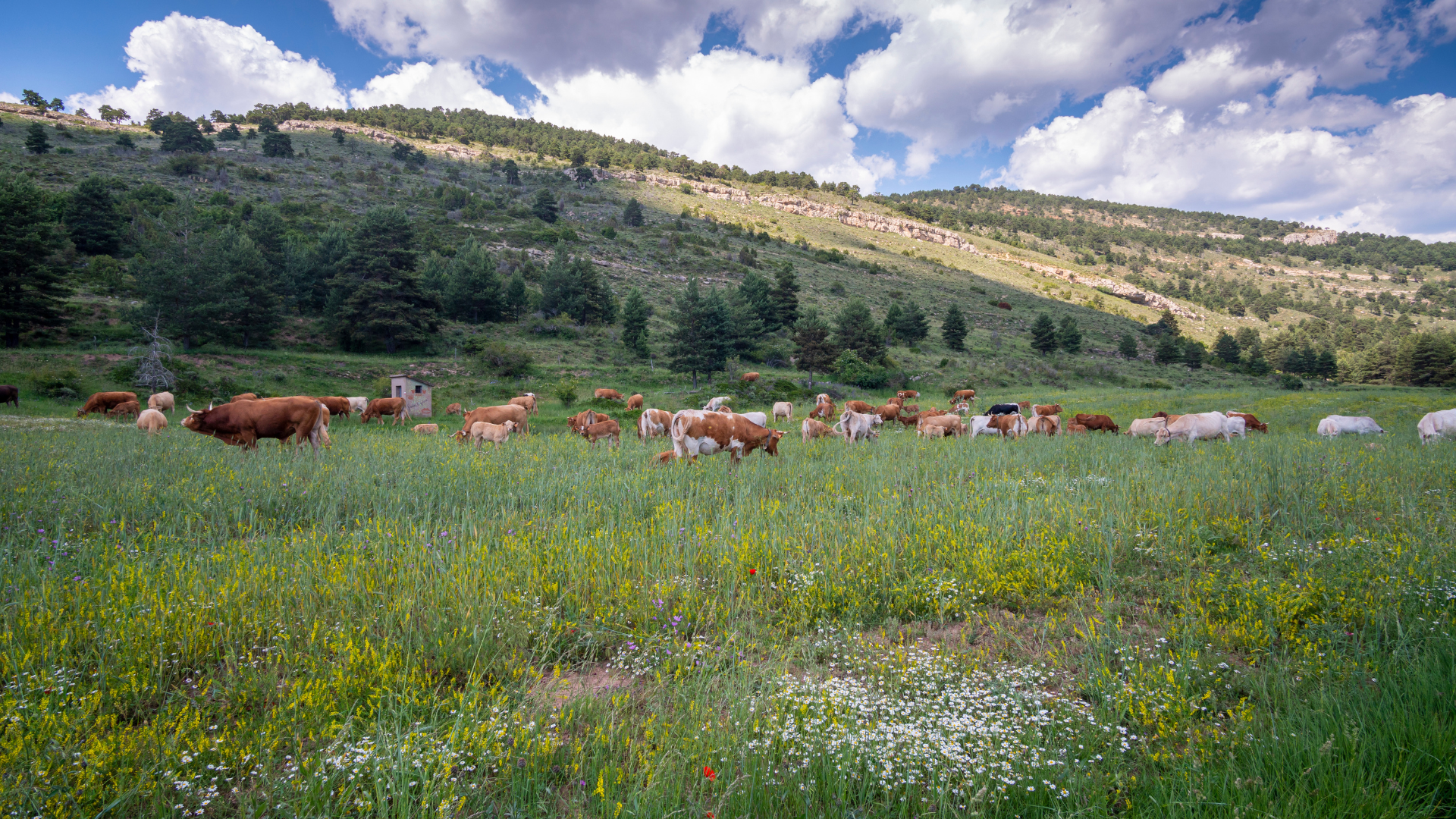
Livestock feed diversification is becoming an increasingly important question for Europe. Animal farming depends on a reliable supply of nutritious, safe and affordable feed, yet some of the protein-rich materials used across the sector continue to rely heavily on imports.
At the same time, changing climatic conditions, pressure on agricultural resources and disruptions across global supply chains are raising questions about how resilient current feeding systems really are.
Could a broader range of locally available and underused resources become part of the answer? Across Europe, research is beginning to explore exactly that question.
Why livestock feed diversification matters for Europe
Europe already produces a large share of the resources used to feed its livestock. However, the picture changes considerably when high-protein feed materials are considered.
According to the European Commission, the EU remains particularly dependent on imported oilseeds and protein crops. In 2025, only around 25% of protein from these sources used in the EU originated within the Union. Soya represents one of the clearest examples: its production and international trade are highly concentrated, increasing exposure to external markets and supply-chain disruptions.
This dependency has become a strategic issue as well as an agricultural one.
In July 2026, the European Commission adopted its Protein Action Plan, which aims to strengthen the resilience, strategic autonomy and sustainability of the European protein system. Among its objectives is increasing the share of protein from oilseeds and protein crops produced in the EU and used as animal feed from 25.8% to 35% by 2035.
Increasing European production is one part of that challenge. Livestock feed diversification, however, may also require looking beyond the resources that currently dominate feed formulations.
Diversification is about more than replacing imported soya
There is unlikely to be one ingredient capable of replacing the role currently played by conventional protein sources across every livestock production system.
European agriculture is highly diverse. Climatic conditions, available land, livestock species, farming practices, local supply chains and access to processing infrastructure vary considerably between regions.
For this reason, diversification is better understood as the creation of a broader toolbox.
Protein crops can be part of that toolbox, but so can locally available plants, agricultural side streams, food-industry by-products, insects and materials whose nutritional properties can be improved through technologies such as fermentation.
The European Commission itself has recognised that feeding strategies need to reflect the diversity of crop and livestock systems across the EU. It also identifies greater use of local resources, innovation and circularity as areas that can contribute to more resilient protein supply chains.
But availability alone does not make a material a suitable feed ingredient.
Its nutritional composition, digestibility, safety, consistency and effects on animal health and performance must first be understood.
Climate-resilient plants: an underused opportunity
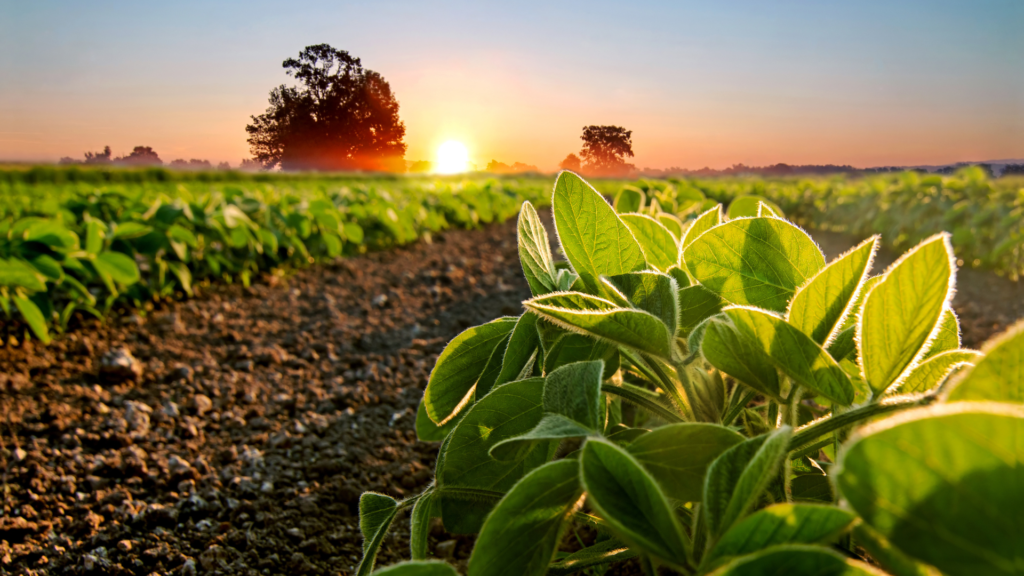
One particularly interesting area of research concerns plant resources that are currently underused in animal feeding but could offer useful properties under changing climatic conditions.
Higher temperatures and more frequent drought conditions can affect the availability and productivity of conventional crops. Plants that tolerate heat or limited water availability may therefore deserve greater attention, particularly when they can be grown or sourced locally.
This is one of the areas being investigated within NUTRIFEEDS.
At the Research Institute for Farm Animal Biology (FBN) in Germany, researchers are examining the feeding value of underutilised heat- and drought-tolerant plants and their by-products for ruminant nutrition.
The materials being studied include leaves from fruit trees found in orchard and silvopasture systems, such as apple, pear, cherry, plum and buckthorn. Researchers are also examining Swiss Mattenklee, a variety of red clover, alongside Sida hermaphrodita and Silphium perfoliatum.
Rather than assuming that these plants provide an immediate alternative to conventional feeds, the work asks a more important question: what evidence would be needed for them to become useful components of livestock diets?
From promising plant to viable livestock feed
Finding a plant that grows successfully under drought or heat conditions is only the beginning.
Before a new resource can contribute to livestock feed diversification, researchers need to understand exactly what animals would obtain from it and whether its use would be safe and practical.
Within NUTRIFEEDS, FBN is therefore characterising selected plant materials in detail. The research examines their nutritional value and biochemical composition, including protein, amino acids, fibre characteristics, minerals, vitamins and energy content.
Safety and potential anti-nutritional factors are also evaluated.
This stage is essential because a feed ingredient cannot be assessed simply by looking at its crude protein content. Nutrient availability, fibre composition and the presence of compounds that may interfere with digestion or metabolism can all affect its real feeding value.
Following this characterisation, selected materials are being evaluated through feeding experiments with sheep. The research assesses parameters including feed intake, digestibility, energy balance, nitrogen and carbon emissions and metabolic responses.
These experiments help move the discussion from what an alternative material contains to what actually happens when animals consume it.
That distinction is fundamental.
A more diverse feed system will need alternatives that are not only locally available or environmentally promising, but also nutritionally appropriate, safe and compatible with animal health, welfare and productivity.
Building a broader toolbox for European livestock
Underused plants are only one part of the picture.
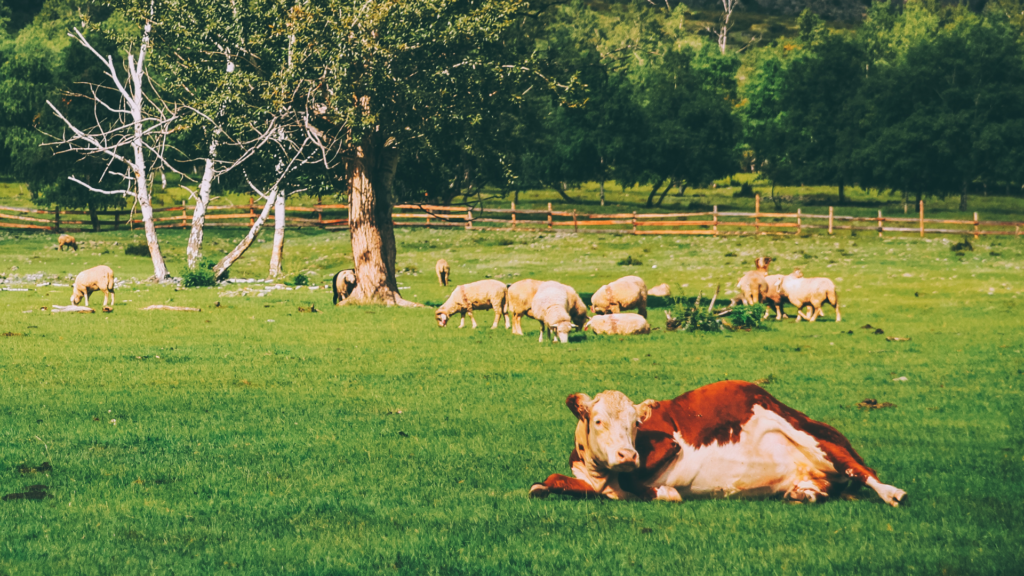
NUTRIFEEDS is exploring several complementary pathways for making better use of resources that are already available within European regions. The project investigates local plants and agri-food by-products while also examining how Black Soldier Fly larvae and targeted fermentation can transform or enhance selected materials.
Experimental validation will then contribute to improved diet formulation, while digital tools and data analysis are expected to support smarter feeding decisions.
Together, these approaches illustrate why livestock feed diversification should not be understood as a search for one universal substitute.
One region may have access to suitable plant resources. Another may generate agri-food side streams that can be upgraded. Certain materials may become more valuable after fermentation, while others could be used within insect-based conversion systems.
Combining these possibilities could help create feeding strategies that are better adapted to local conditions and make more efficient use of available biomass.
From diversification to resilience
Europe’s dependence on imported feed will not disappear simply by introducing a new crop or ingredient.
Building a more resilient system requires research, viable value chains, appropriate infrastructure and feeding strategies that consider nutritional, environmental and economic performance together.
The EU’s new Protein Action Plan places this challenge firmly on the European agenda. Research initiatives can help determine which options are genuinely practical.
By evaluating underused plants and other local resources rather than assuming their potential, NUTRIFEEDS is contributing evidence that can support livestock feed diversification in Europe.
The result may not be one feed of the future, but a wider range of scientifically validated options that allow farmers and livestock systems to make better use of the resources available around them.