

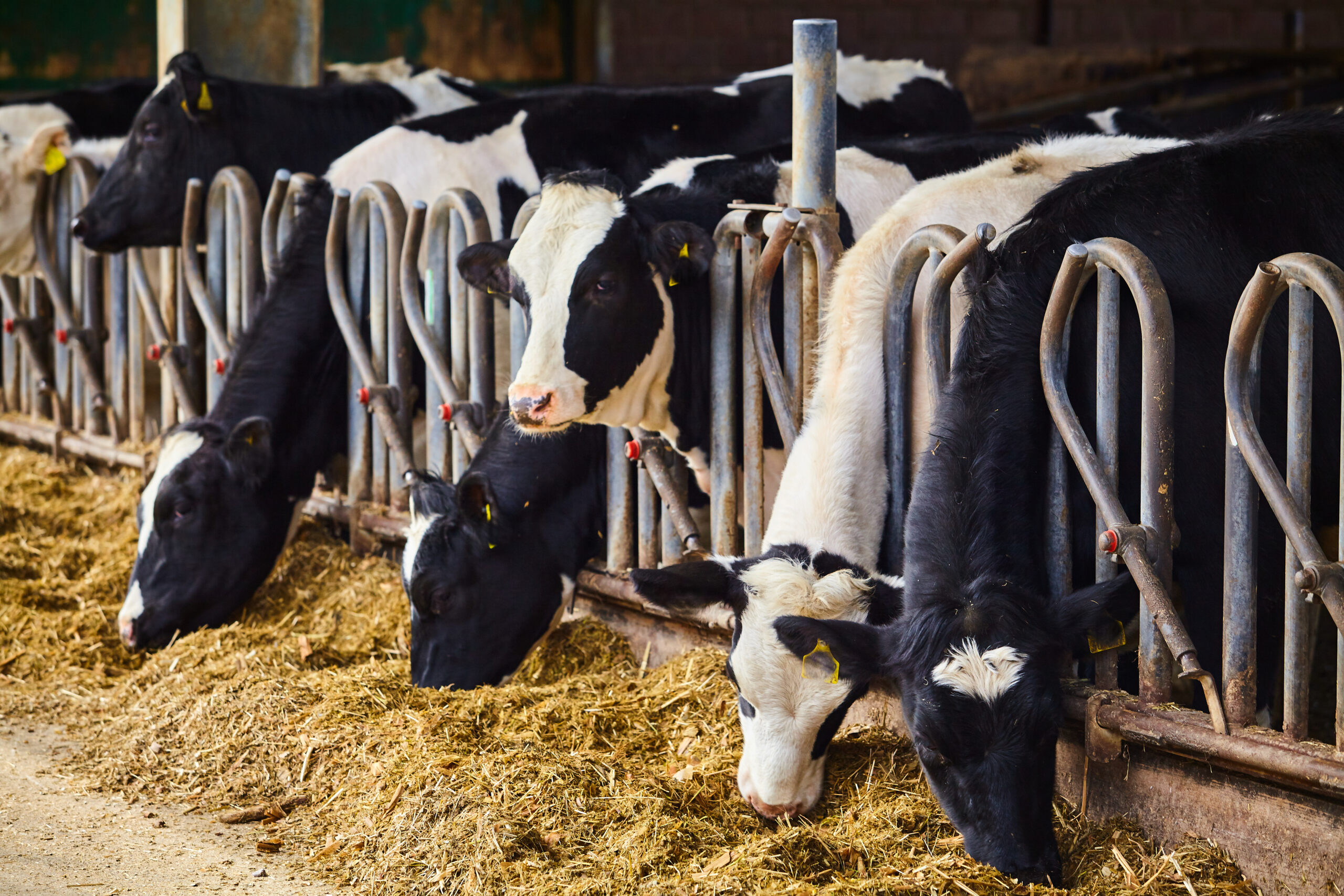
Targeted fermentation helps unlock the full nutritional potential of feed ingredients. Many plant-based materials and agri-food side-streams contain valuable proteins, fibres, vitamins, and minerals, yet animals cannot always digest or absorb these nutrients efficiently. Others naturally contain compounds such as tannins and phytates that reduce nutrient availability, limiting both animal performance and feed efficiency.
As Europe looks for more sustainable alternatives to imported protein sources, improving the quality of existing feed ingredients has become just as important as discovering new ones. Rather than relying solely on additional crops or resources, researchers are increasingly exploring how biotechnology can unlock the hidden potential of materials that already exist.
One of the most promising approaches is targeted fermentation. By harnessing the metabolic capabilities of carefully selected microorganisms, this technology transforms conventional and underutilised feed ingredients into products with improved nutritional value, greater digestibility, and enhanced safety.
Far from being just another fermentation process, targeted fermentation is emerging as a key innovation for building more circular, efficient, and sustainable livestock systems.
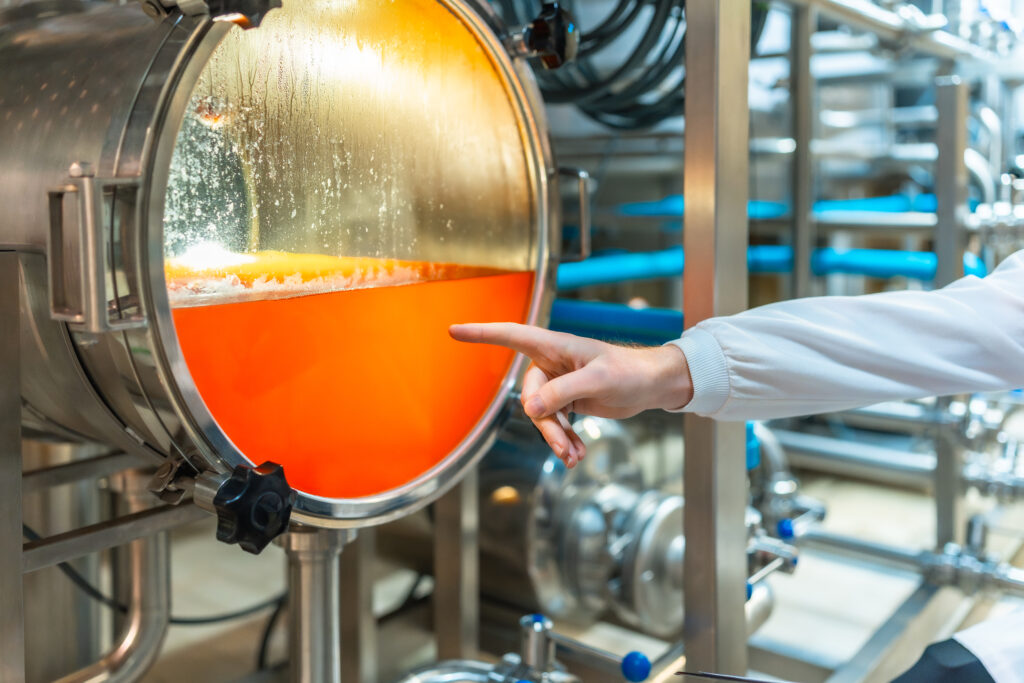
From Traditional Fermentation to Precision Biotechnology
Fermentation has accompanied human civilisation for thousands of years. It is responsible for producing foods such as bread, cheese, yoghurt, vinegar, and beer, relying on microorganisms to transform complex organic compounds into simpler and often more beneficial molecules.
Targeted fermentation represents the next step in this biological evolution.
Instead of simply preserving food or modifying its flavour, targeted fermentation carefully selects microorganisms and optimises biological conditions to produce very specific improvements within a feed ingredient. These microorganisms become highly specialised biological factories capable of modifying proteins, degrading undesirable compounds, synthesising valuable metabolites, and improving the overall nutritional profile of feed materials.
Through advances in microbiology, biochemical engineering, and process optimisation, fermentation has evolved from a traditional preservation technique into a sophisticated biotechnology platform with applications far beyond the food industry.
Making Better Feed from Existing Resources
One of the greatest strengths of targeted fermentation lies in its ability to maximise the value of materials that are often overlooked.
Many plant-derived ingredients and agricultural side-streams already contain significant nutritional potential, but their usefulness can be limited by poor digestibility or naturally occurring antinutritional compounds. During fermentation, microorganisms break down complex molecules into simpler forms that animals can absorb more efficiently.
At the same time, fermentation can significantly reduce compounds such as tannins and phytates, improving mineral availability and increasing protein digestibility.
The process also generates beneficial metabolites while contributing to improved shelf life and feed safety. Organic acids produced during fermentation help inhibit unwanted microorganisms, reducing spoilage and supporting better preservation throughout storage and transport.
The result is a feed ingredient that delivers greater nutritional performance while making more efficient use of existing biological resources.
Why Europe Is Investing in Advanced Fermentation Technologies
The growing interest in targeted fermentation extends far beyond scientific laboratories. Across Europe, advanced fermentation technologies are increasingly recognised as strategic tools for strengthening the continent’s bioeconomy and reducing dependence on imported raw materials.
The European Commission’s Bioeconomy Strategy identifies industrial biotechnology and advanced fermentation among the technologies capable of accelerating Europe’s transition towards more circular, competitive, and resource-efficient production systems. By transforming biological resources into high-value products, these technologies support both sustainability objectives and industrial competitiveness.
A similar message is reflected in the European Innovation Council’s 2025 Challenge on Biotechnology-Driven Low-Emission Food and Feed Production Systems, which highlights biotechnology as an essential pathway for producing more sustainable feed while reducing environmental impacts and improving production efficiency.
Together, these initiatives demonstrate that fermentation is no longer viewed simply as a scientific technique. It is increasingly recognised as a strategic technology capable of supporting Europe’s long-term ambitions in agriculture, food security, and climate resilience.
From the Laboratory Bench to Real Farming Solutions
Scientific discoveries only generate impact when they can be applied outside the laboratory.
One of the major challenges facing fermentation technologies is scalability. Processes that perform successfully under controlled laboratory conditions must also prove reliable, economically viable, and reproducible at pilot and industrial scales before they can become practical solutions for farmers and feed manufacturers.
Scaling up fermentation involves much more than producing larger quantities. It requires maintaining consistent product quality, ensuring stable microbial performance, optimising production costs, and integrating these technologies into existing feed production systems.
Successfully bridging this gap between research and industry represents one of the most important steps towards bringing innovative feed ingredients closer to commercial adoption.
Bringing Targeted Fermentation to the Farm
Within NUTRIFEEDS, these challenges are addressed through the Targeted Fermentation Pilot, where advanced microbial and bioprocessing techniques are applied to plant-based materials and agricultural side-streams.
The pilot seeks to increase protein digestibility and bioavailability, reduce antinutritional compounds, improve nutrient stability, and enhance the overall quality of innovative feed ingredients.
Beyond improving nutritional performance, the pilot also investigates how these fermentation processes can be scaled beyond laboratory research, helping bridge scientific innovation with practical livestock applications.
By combining microbiology, biochemical engineering, and industrial scalability, NUTRIFEEDS demonstrates how targeted fermentation can contribute to more circular feed production systems that benefit both farmers and the environment.
Building the Next Generation of Livestock Feed
The future of livestock nutrition will depend not only on discovering new feed ingredients but also on making better use of the resources already available.
Targeted fermentation offers exactly this opportunity. By unlocking nutrients, improving digestibility, and transforming underutilised biological materials into high-value feed ingredients, it represents a powerful example of how biotechnology can support more sustainable agriculture.
As Europe continues investing in circular bioeconomy solutions, technologies like targeted fermentation are expected to play an increasingly important role in improving feed efficiency, strengthening protein autonomy, and reducing the environmental footprint of livestock production.
Through its Targeted Fermentation Pilot, NUTRIFEEDS is helping translate these scientific advances into practical solutions that can contribute to a more resilient and sustainable future for European agriculture.